



How Often Should You Pump a Septic Tank for a Family of Four? Our Guide
Table of Contents
How Often Should You Pump a Septic Tank for a Family of Four?
Septic tanks are an essential part of many households throughout America, especially for those who reside in rural or suburban areas without proper access to municipal sewer systems. Proper septic system maintenance will help to ensure smooth operation, prevent costly repairs, and help to preserve the environment. One of the most important components of septic system care is pumping the septic tank regularly to help prevent any excess buildup or full-blown system failure.
For a family of four, determining the frequency in which you should have your septic tank pumped largely depends on the various factors involved, including tank size, water usage, and household habits. Throughout this full-scale guide, we'll explore everything from septic tank pumping, to how to identify when it’s time for service, to the best practices to extend your septic system’s lifespan. Feel free to contact us if you need assistance with any of our products and we’ll be happy to help!
Understanding How a Septic Tank Works
Prior to discussing the ideal pumping frequency, it’s very important to understand how a septic tank functions
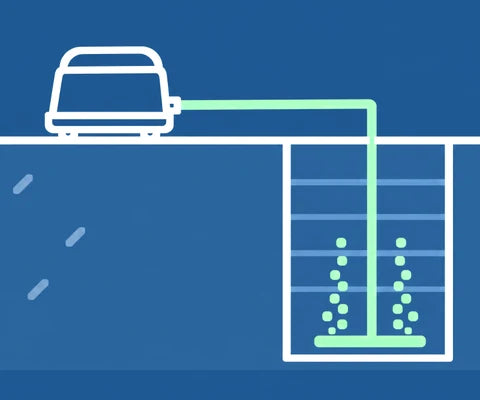
A septic tank is essentially an underground, watertight container which collects and treats household wastewater. This underground watertight container will separate solids from liquids, allowing beneficial bacteria to break down organic waste. The entire process involves three layers, which are listed below:
-
Scum Layer – This layer is made up of oils, grease, and floating debris
-
Liquid Layer (Effluent) – This layer is made up of wastewater which exits to the drain field
-
Sludge Layer – This layer is the accumulation of solid waste at the base of the septic tank
As time passes, the sludge and scum layers will build up and must be properly removed by a professional who will pump the septic tank to prevent blockages and system failures.
How Often Should a Family of Four Pump Their Septic Tank?
The general rule of thumb for pumping a septic tank is every 3-5 years. However, this could be adjusted based on the number of people residing within the household and the overall usage patterns. Below are some of the factors which will influence pumping activity:
-
Septic tank size
-
Daily water usage
-
Household habits
-
Waste disposal practices
Below is a recommended pumping schedule based on common tank sizes for a family of four:
|
Septic Tank Size (Gallons) |
Recommended Pumping Frequency |
|
750 gallons |
Every 2-3 years |
|
1,000 gallons |
Every 3-5 years |
|
1,250 gallons |
Every 4-6 years |
|
1,500 gallons |
Every 5-7 years |
Factors Which Affect Pumping Frequency
Septic Tank Size
-
A smaller tank will require more frequent pumping
-
Larger tanks will require less pumping and allow additional time between cleanings, yet will still require regular maintenance
Water Usage
-
A family of four will typically use about 250-400 gallons of water per day
-
Higher than average water usage will lead to higher than average septic tank filling, and therefore require more frequent pumping
-
Utilizing water-efficient appliances, toilets, and shower heads will help reduce overall water usage rates
Household Habits
Lifestyle choices may affect how quickly a septic tank will fill up:
-
If there are a large number of laundry loads each day, your septic tank will fill up much quicker
-
Garbage disposal use, or heavy garbage disposal use will add additional amounts of solid waste to the septic tank system
-
If you flush any non-biodegradable items down the toilet, such as wet wipes, feminine hygiene products, or paper towels, they could likely clog the system and accelerate buildup within the septic tank
Bacterial Health in the Tank
-
Beneficial bacteria assists in breaking down the wastewater and biosolids within the septic tank
-
Harsh chemicals, antibacterial soaps, and bleach will likely kill off the beneficial bacteria, resulting in slower decomposition of wastewater and biosolids, contributing to excess buildup within the septic tank
-
Try to use septic-safe cleaning products to help maintain bacterial balance
Signs That Your Septic Tank Needs to Be Pumped
Even if you do follow the recommended schedule of pumping your septic tank, it is important to monitor for signs which indicate your septic tank is full. Some of these key warning signs will likely include:
Slow Drains & Gurgling Pipes
-
If any of your sinks, bathtubs, or toilets begin to drain slowly, it may mean your septic tank is near capacity
-
If there are any gurgling sounds emanating from your pipes, this is another glaring indicator something is not quite right
Unpleasant Odors
-
If there are foul smells developing from drains, toilets, or your yard; this indicates excessive waste buildup
-
The gases produced by the septic system may begin to escape if the tank is full
Pooling Water in the Yard
-
If your drain field is oversaturated with water, it could mean your septic tank is overflowing
-
Any excessively wet, spongy patches of grass over the septic drain field may indicate a problem is developing or already there.
Toilet Backups & Sewage Overflows
-
If there’s sewage backup within your sinks, bathtubs, or toilets, this is a sign of a severe blockage
-
This is an emergency which will require immediate professional attention
Exceptionally Lush Grass Over the Drain Field
-
If the grass over your drain field seems to be much greener and healthier than the surrounding yard area, it could indicate a high level of wastewater overflow from an overloaded septic tank.
Best Practices to Extend Septic System Life
Maintaining your septic system’s proper condition can greatly reduce the frequency in which a septic professional needs to visit to pump your septic tank. By following these best practices, you can better maintain an efficient septic system:
Conserve Water Usage
-
Be sure to fix any and all leaks and consider installing low-flow toilets and faucets
-
Do laundry every other day to prevent overwhelming the septic system
-
Use your dishwasher only when fully loaded and ready to go
Be Mindful of What You Flush
-
Be sure to exclusively flush toilet paper and human waste
-
Never flush wet wipes, toilet paper, cotton swabs, or feminine hygiene products
Reduce Garbage Disposal Use
-
Try to avoid putting any grease, coffee grounds, eggshells, or food scraps down the garbage disposal
-
These waste solids will increase the level of sludge buildup and require more frequent pumping of your septic tank
Avoid Harsh Chemicals
-
Using septic-safe cleaners and avoiding bleach, drain cleaners, and antibacterial soaps will help you avoid killing the good bacteria within your septic tank
Maintain the Drain Field
-
Always keep vehicles, heavy objects, and tree roots away from your septic tank’s drain field
-
Divert rainwater and surface runoff to assist in flood prevention
Schedule Routine Inspections
-
Schedule a visit from a septic professional to inspect the septic system every 1-2 years, as this will allow for an early detection of minor issues, which will help prevent costly repairs
What Happens If You Don’t Pump Your Septic Tank?
If you choose to neglect pumping your septic tank and other septic tank maintenance tasks, you’ll likely run into serious problems down the line. These problems could include:
Sewage Backups – Wastewater may flood your home, causing not only damage to your home’s interior, but also presenting a truly nasty, expensive health hazard
Drain Field Failure – A clogged or overloaded drain field may result in wastewater being unable to properly filter, leading to contamination
Costly Repairs – If you have to replace a failing septic system, it could result in costs of $5,000 - $15,000+, whereas regular pumping from a septic professional will likely cost around $300-$700 per septic pumping
Groundwater Contamination – An overflowing septic tank could lead to local water sources being polluted, harming the local environment and ecosystem
Regularly pumping your septic system is a small investment compared to the cost of a system failure which results in having to replace the entire system from the ground up
Final Thoughts: How Often Should a Family of Four Pump Their Septic Tank?
For a family of four, a septic tank should be pumped around every 3-5 years, depending on the tank size, household water usage, and waste disposal habits. Proactively monitoring for warning signs and following the best practices listed throughout this guide will help you to maintain an efficient and effective septic system for many years to come. Feel free to browse through our wide array of septic supply products by clicking the button below. Should you have any questions, feel free to contact us and we’ll be happy to help. We look forward to working with you soon!
Leave a comment