




Aerobic Septic Maintenance in Texas: What Gets Checked Every 4 Months
Table of Contents
If you have an aerobic septic system in Texas, someone has to look after it on a schedule. Usually that's a licensed maintenance provider under a contract, and the visits are easy to miss because they happen while you're at work.
It's worth knowing what they check. Most aerobic problems start with one small part wearing out, like a diaphragm, a diffuser or an alarm bulb. Catching it on a routine visit costs a lot less than catching it when the yard starts to smell.
Here's what Texas requires, what gets checked on each visit, and what you should get afterward.
What Texas requires
Texas calls septic systems OSSFs (on-site sewage facilities), and the Texas Commission on Environmental Quality (TCEQ) sets the rules. For an aerobic system under a maintenance contract:
- Your provider inspects every component on each visit and notes whether it's working.
- Your provider sends a report to you and to your county (the "permitting authority"). For most homes that's every four months, but the schedule depends on your county or agency and on whether the system serves a single-family home or a commercial property. Systems with electronic monitoring might report less often.
- The report is due within 14 days of the visit's scheduled due date.
- If a component has failed, you (the homeowner) are responsible for getting it repaired.
For the first two years after installation, a licensed provider maintains the system under contract. After that, TCEQ lets homeowners maintain some systems themselves, but most counties require getting licensed first and some don't allow it at all. Your county permitting office has the final word. (TCEQ: OSSF maintenance)
What gets checked on each visit
Each visit covers the same parts. Here's each one, what goes wrong with it, and what fixes it.
1. The air pump (aerator)
The air pump is the heart of an aerobic system. It runs around the clock, pushing air into the tank so the bacteria that clean the wastewater can thrive. Your provider checks that it runs, that it's moving enough air, and that the intake filter isn't clogged.
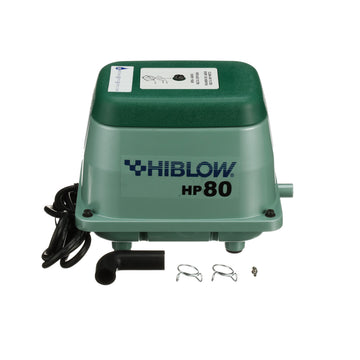
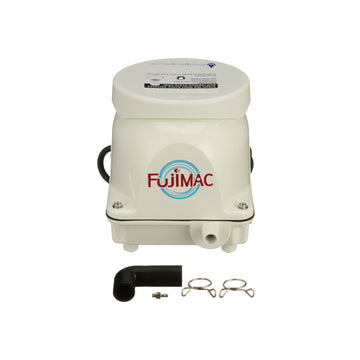
What wears out is usually the diaphragms inside linear pumps like the Hiblow HP-80, Fuji Mac 80R2 and Secoh JDK-80. A weak pump often still hums; it just doesn't move enough air. A rebuild kit usually brings it back to life for less than a new air pump, and a dirty air pump filter is the cheapest fix of all. More on this: Signs Your Septic Air Pump May Need to Be Replaced.
2. The diffuser
The diffuser sits at the bottom of the aeration chamber and breaks the air into fine bubbles. Your provider looks for even bubbling across the surface. Big bursts of air in one spot, or no bubbles at all, usually mean a clogged or broken diffuser, and a clogged diffuser makes the air pump work harder. See septic air pump diffusers.
3. The control panel and alarm
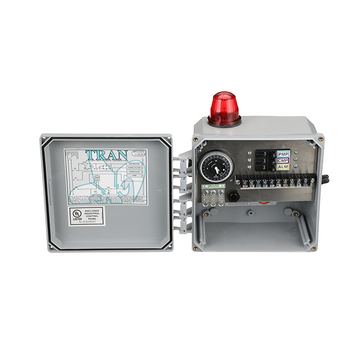
The control panel runs the system's timer and alarm. Your provider tests the alarm light and buzzer, checks when the timer is set to spray, and looks over the wiring.
Two small parts cause a lot of alarm trouble. Alarm bulbs burn out, and a 7-watt alarm bulb is an easy fix. The air pressure switch is what sets off the alarm when the air pump stops, so a bad switch means you won't hear about a dead pump. If the panel itself is failing, see aerobic control panels.
4. The chlorinator
Spray systems disinfect the treated water before it reaches your yard, most often with chlorine tablets. Your maintenance provider checks that the chlorinator has tablets and that they're dropping and dissolving. Your contract says who is responsible for keeping it filled.
One rule matters more than any other here: use only calcium hypochlorite tablets made for wastewater, and never swimming pool tablets. Pool tablets are usually trichloroisocyanuric acid, which isn't approved for septic systems. They dissolve too slowly to work and can be explosive if mixed with the wrong chemicals, so check the active ingredient on the label. (Texas A&M AgriLife: Tablet Chlorination)
5. The pump tank, pump and floats
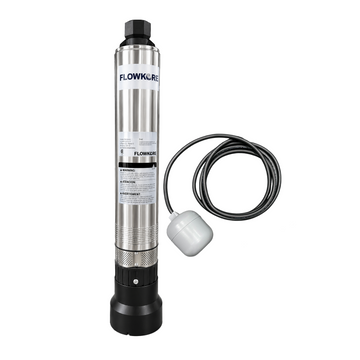
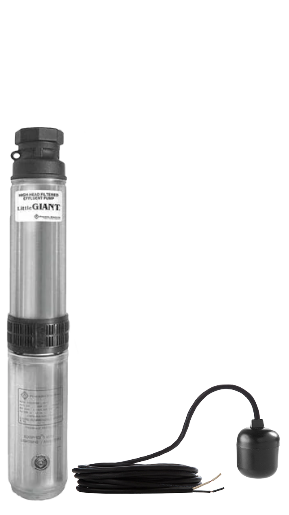
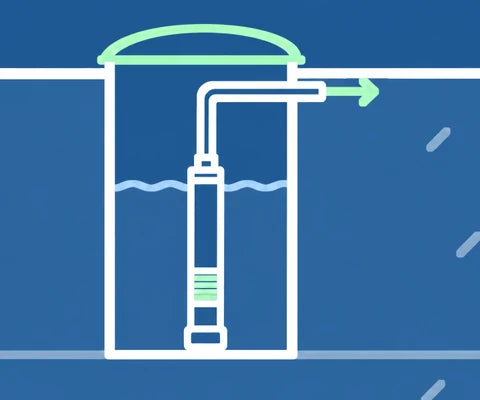
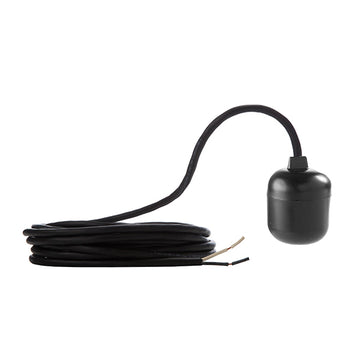
The pump tank holds treated water until it's sent out to the sprinklers. Your provider checks that the pump runs, and that the float switches turn it on, turn it off, and set off the high-water alarm at the right levels. A stuck float is a common cause of a high-water alarm. See float switches and effluent pumps.
6. The sprinkler heads or drip field
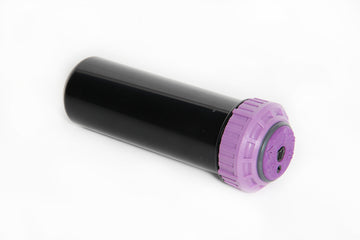
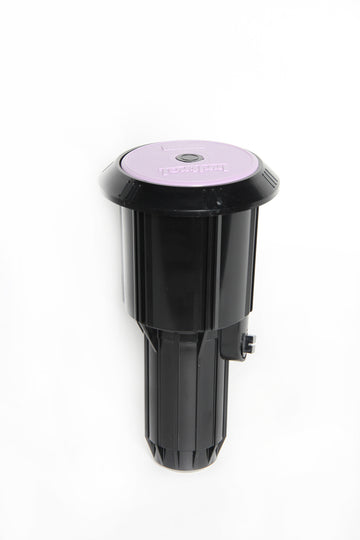
On spray systems, your provider checks that each head pops up, turns, and keeps the spray inside your property. They also look for soggy spots and standing water. Mowers break heads and debris clogs them; replacement aerobic sprinkler heads are made for treated effluent. On drip systems, they look for leaks and wet spots instead.
7. Risers and lids
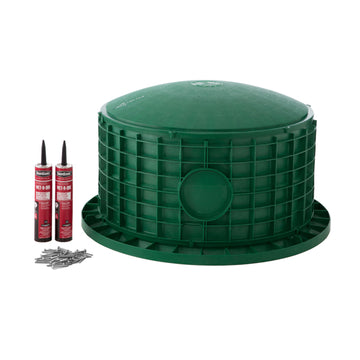
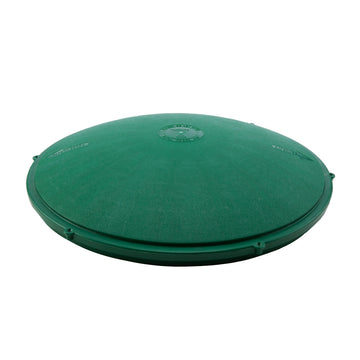
Lids should be secure, undamaged and easy to reach. Buried lids make every visit slower, and a cracked or loose lid is a safety hazard. A riser kit brings buried lids up to the surface. More on this: Septic Tank Riser Kits: A Complete Guide.
What you should get after every visit
Your provider has to send each report to your county and to you, usually every four months. A useful report lists every component, says whether it worked, and notes anything that needs repair.
Paper reports are still common, but more Texas providers now send them digitally. Providers who use Fieldbase On-Site, the inspection software built by our sister company here in Dayton, send a text when the visit is done. You also get a digital report on your phone, photos from the visit, the time your tech arrived, and a map pin showing the tech's location with GPS. If your provider still sends paper, it's worth asking whether they offer digital reports.
What you can do between visits
- Keep the air pump running. Without air, an aerobic system goes septic quickly and starts to smell. Never unplug it to quiet it down.
- Take the alarm seriously. If the light or buzzer comes on, check the breaker, cut back on water use, and call your provider.
- Keep the air pump clear. Grass, leaves and fire ants all get into air pumps and their filters.
-
Skip the additives. A healthy aerobic system doesn't need them. See Do Septic Additives Work?
- Keep weight off the system. Don't drive or park on the tanks or the spray field.
- Use the right chlorine. Calcium hypochlorite tablets made for wastewater only.
For maintenance providers
If you run aerobic maintenance routes, the parts above are the ones you replace most. Keeping rebuild kits, filters, diffusers, alarm bulbs, pressure switches, floats and sprinkler heads on the truck saves a second trip, and licensed pros can get pro pricing on WSS parts.
If the four-month reports are eating your evenings, Fieldbase On-Site puts inspections on your phone and files them with multiple counties at once, so the paperwork is done when the visit is.
Find the parts your system needs
Wholesale Septic Supply stocks air pumps, rebuild kits, diffusers, control panels and more in Dayton, Texas, and ships across the US. Browse our best sellers or call us at (936) 681-8198.
Leave a comment